By Omar Ureña
Glory is not simply sought — it is fought for. That was the case for the Notre Dame Fighting Irish and the University of Mexico Pumas in 1946. It marked the second time these programs shared the spotlight, continuing the legacy that began in 1943.
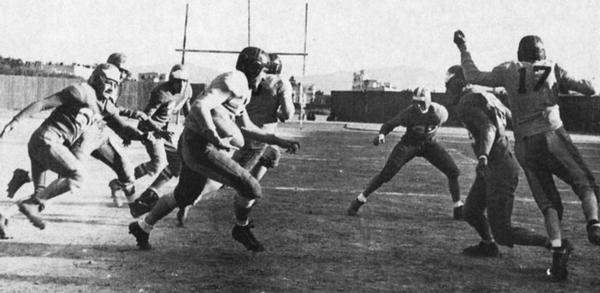
That year, the Pumas defeated Wachachara 16–0, took down the YMCA Fire-Breakers and the Educación Tigres, and were crowned national champions for the 11th time at the National Stadium in Mexico City’s Colonia Roma.
In 1943, Notre Dame, on its side of the border, dominated the Pittsburgh Panthers 41–0, smashed No. 2 Michigan 35–12 in Ann Arbor, and as the No. 2 team, crushed No. 3 Navy 33–6 at Cleveland Stadium. The Irish captured their fourth national title — and the first for coach Frank Leahy. Notre Dame had already been national champion in 1924, 1929, and 1930.
In 1942, coach Leahy even invited a young Jack Kerouac — then a prep school football star in Massachusetts — to join the Irish. The rebellious athlete declined, moving to New York instead. He earned a scholarship to play running back at Columbia University, but a devastating knee injury ended his career and redirected his path toward writing, becoming one of the voices of the Beat Generation.
With the sounds of Charlie Parker and his daring Reboppers setting the mood, we dive into 1946. The jazz rhythms pulsed from piano and bass between South Bend, Indiana, and Mexico City. That year, UNAM’s representative high school team, the “Bachilleres,” competed in a group that included Education, Club Hacienda, Club Orsos, and Club Coloniales.
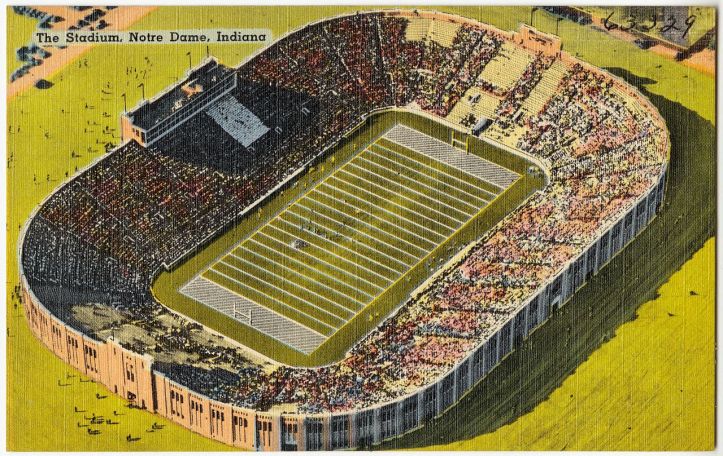
In 1946, Kerouac met Neal Cassady, a tough character from Denver, and together they immersed themselves in underground New York jazz and road trips across America. As he later immortalized in On the Road, one magical stop included Cassady traveling more than 1,000 miles just to witness a Notre Dame game at the Irish’s home stadium.
Kerouac, along with fellow writers William Burroughs and Allen Ginsberg, would eventually spend time in Mexico City’s Colonia Roma. Fascinated by Mexico’s mambo rhythms, the former football star found a muse that came to life in his novel Tristessa.
Meanwhile, back in South Bend, Leahy demanded maximum effort from his players. Notre Dame in 1946 was a juggernaut, powered by 25 players returning from World War II to use their remaining eligibility with their beloved team. The pressure to make the starting lineup was as intense as the Oklahoma-bound freight trains of the era. That same year, the Delmore Brothers released Freight Train Boogie, marked by its signature harmonica sound.
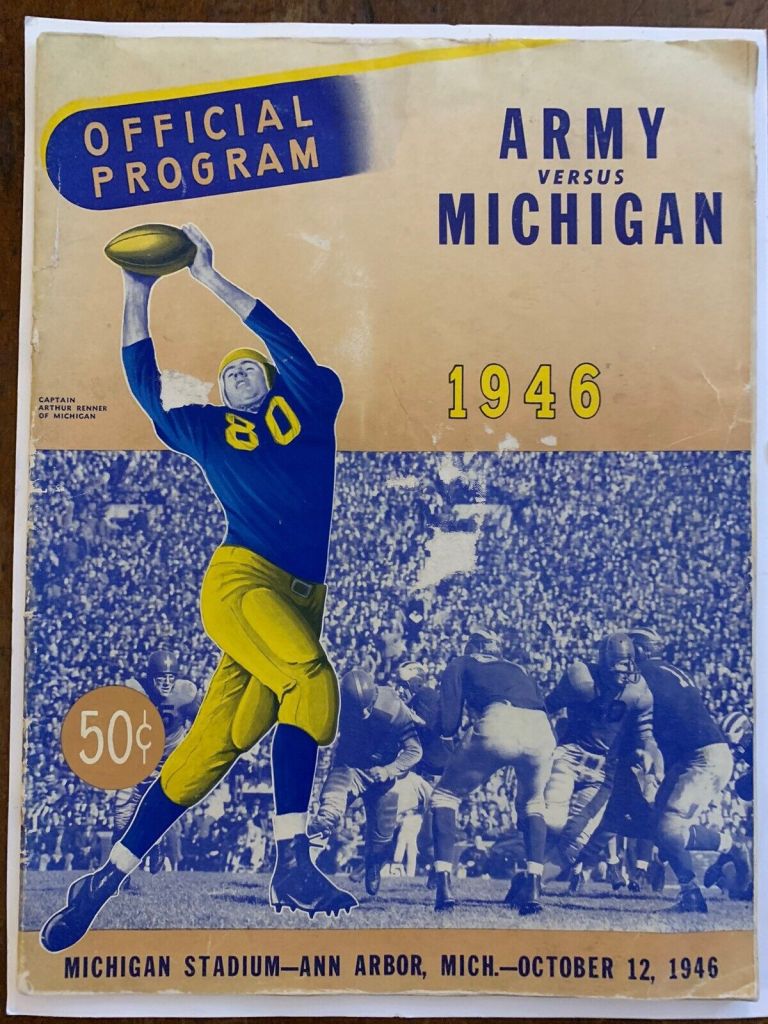
The University of Oklahoma took advantage of the returning war veterans, stacking their roster with the best available talent. This was the beginning of the recruiting arms race in the South, a precursor to today’s SEC dominance — an era reminiscent of Agustín Lara’s ballad, sung by Toña la Negra: “With tears of blood, I bought glory and turned it into verses.”
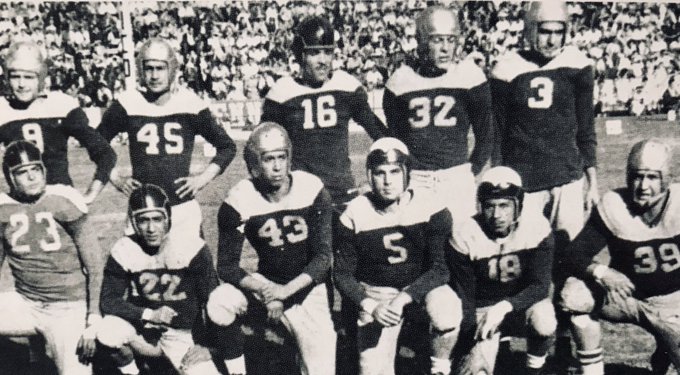
In Mexico, the Pumas were preparing with equal intensity. From 1933 to 1944, UNAM’s golden-blue squad ruled Mexican football, defeating teams like Centro Atlético Mexicano, Club Deportivo Internacional, and CAS, while dominating the IPN Burros Blancos for seven straight years. But in 1945, IPN finally ended the streak in dramatic fashion, edging the Pumas 13–12 — a result that electrified Mexico City neighborhoods like Santa María la Ribera, Roma, Narvarte, Guerrero, Del Valle, Doctores, and Obrera, where young kids began imitating their gridiron idols.
By July 1946, writer Juan José Arreola had published Letter to a Shoemaker Who Made Bad Shoes. The Pumas, with equal determination, sought to extend their championship legacy. As Arreola wrote: “This ambition does not seem censurable; on the contrary, it is a sign of modesty and carries with it a certain humility.”
That season, eight major-league teams competed: the four giants (UNAM Pumas, IPN Burros Blancos, YMCA Firebreathers, and the Education Tigres), along with non-official squads such as the Colegio Militar Aguiluchos, the CAS Pericos under Bill Cabrera, the Piccolino Wild Rams, and the Wachachara Red Lions, led by coach Julián Fajardo — father of Dr. Julián Fajardo, a standout Puma in the 1960s, and grandfather to Mauricio and Francisco Fajardo, defensive leaders for the Condors and Pumas in the 1990s.
The struggles of these “small teams” mirrored Mexico’s cinema of the era. In 1946, the film Campeón sin Corona depicted Roberto “Kid” Terranova, played by David Silva, a fighter who never quit.
That fall, college football and Liga Mayor kicked off with fanfare. The Poli vs. YMCA matchup celebrated the 50th anniversary of the first American football game in Mexico, played in 1896 in Xalapa, Veracruz.
In that same year, Mexico’s first airborne paratrooper unit was created, some of its members trained in Fort Benning, Georgia. Their first jump took place on September 15 over Balbuena.
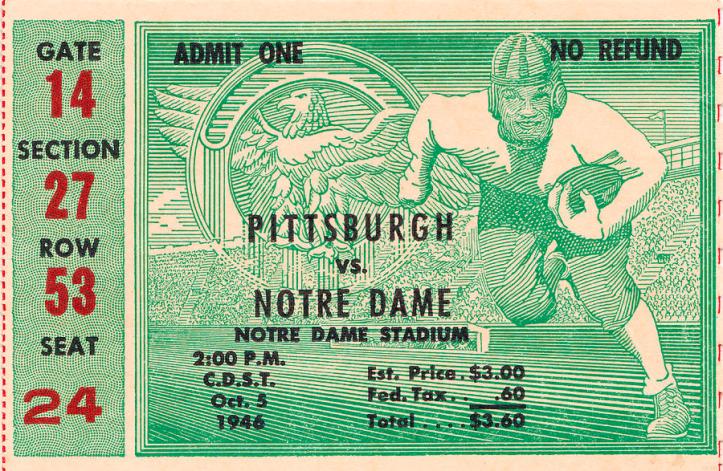
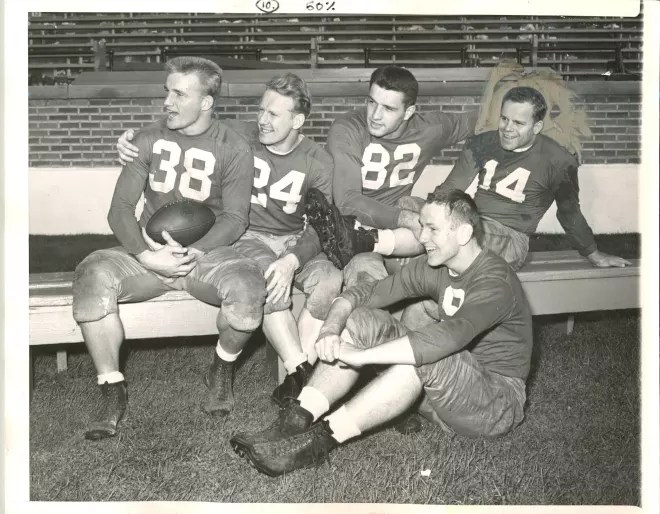
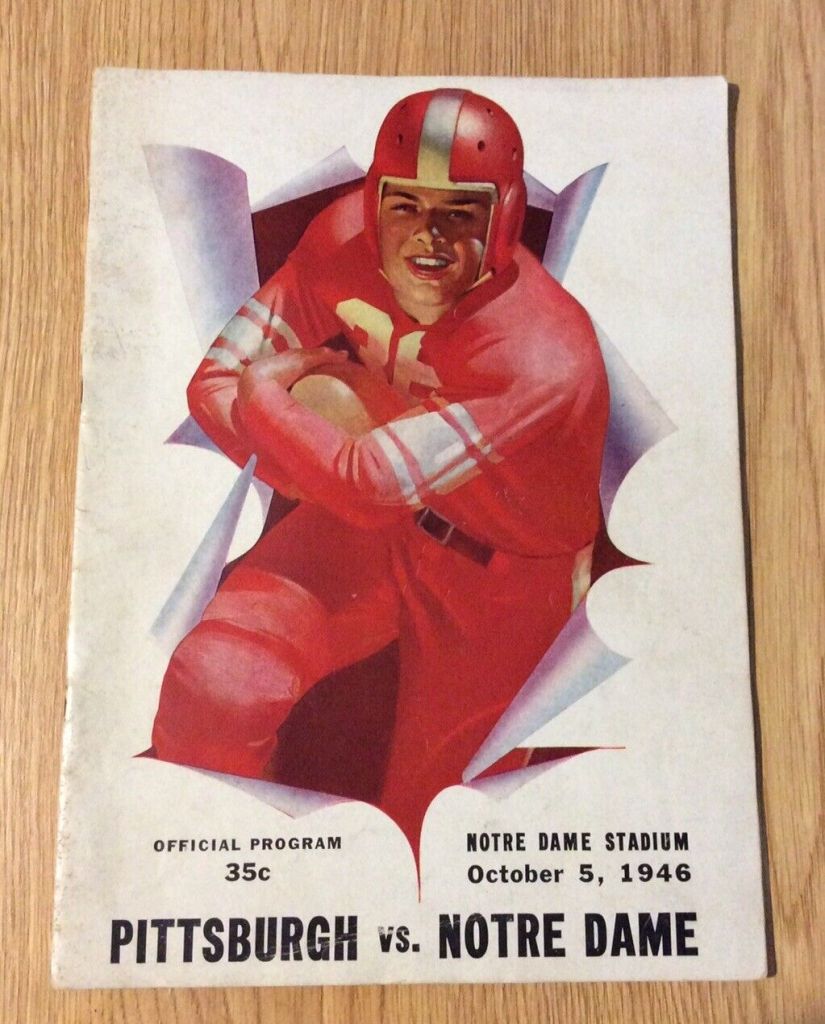
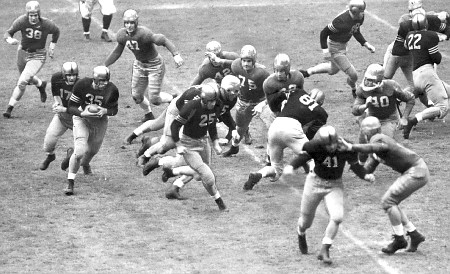
Notre Dame and the Pumas stormed into 1946. The Irish opened the season in Champaign-Urbana, crushing Illinois — who would go on to win the Big Ten and the Rose Bowl — 26–6. Notre Dame, led by star quarterback Johnny Lujack, later routed Pittsburgh 33–0. Their backfield was powered by runners Terry Brennan, Emil Sitko, Jim Mello, and Coy McGee.
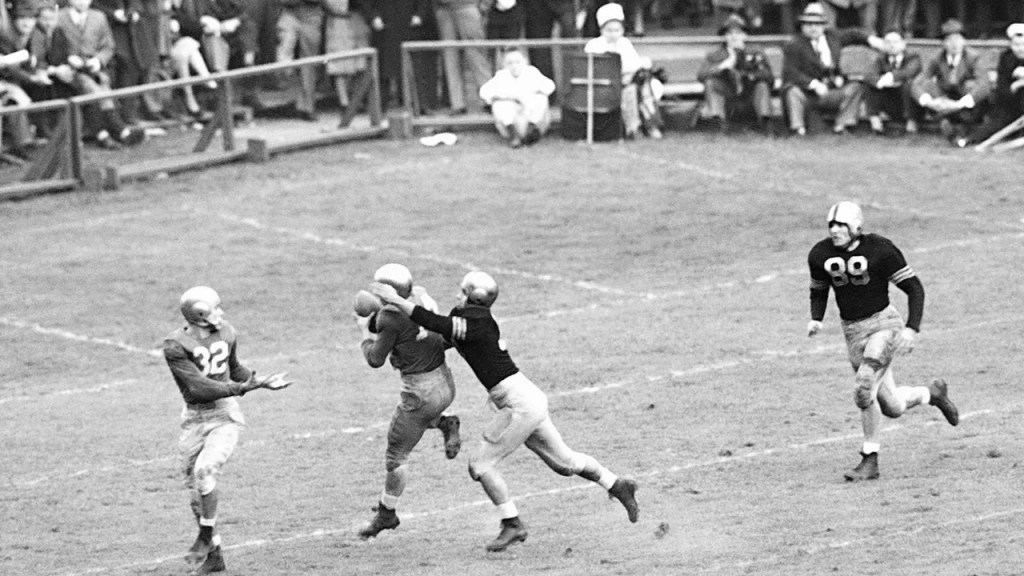
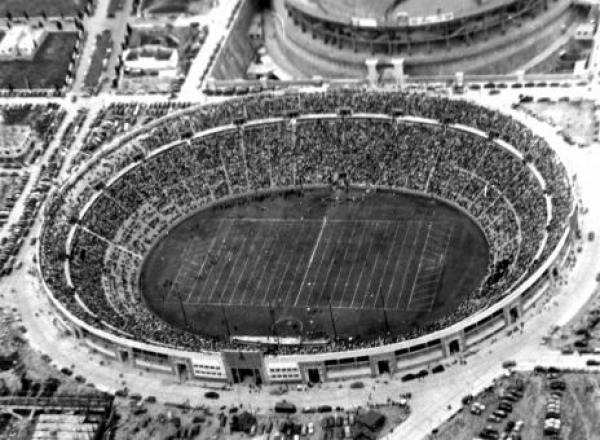
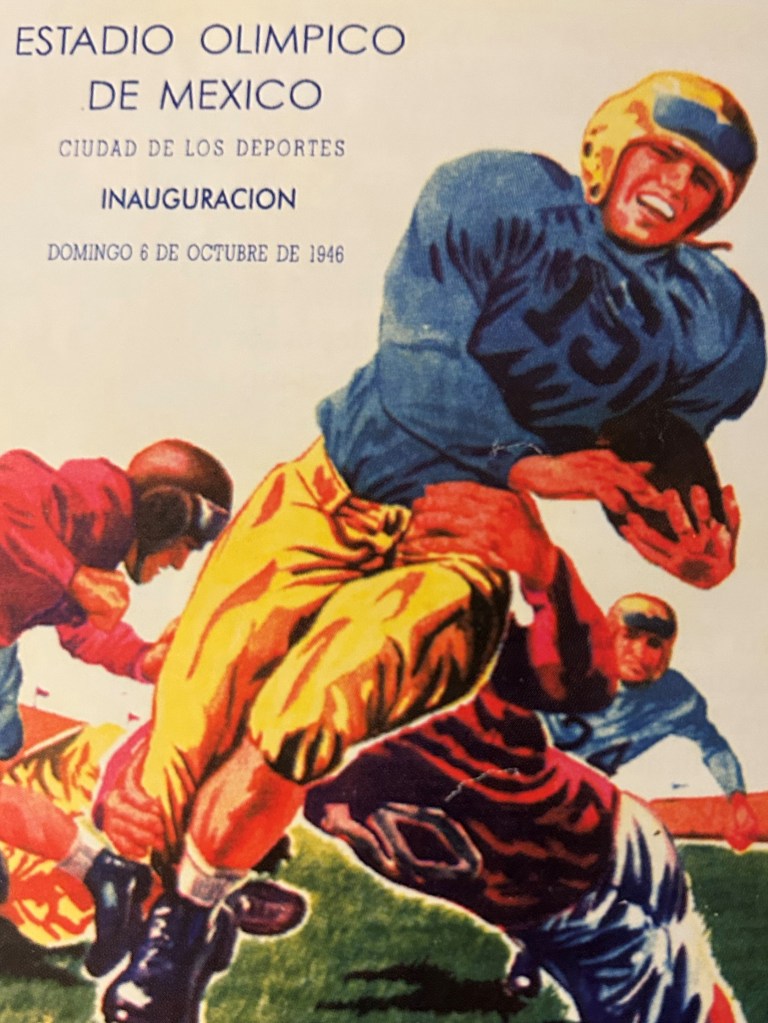
Meanwhile, in Mexico City, October 6 marked history: the opening of the Estadio Olímpico de la Ciudad de los Deportes, in Colonia Nápoles. Finally, football had a proper stage for more than 40,000 fans. Over 50,000 packed the stands that morning, watching military cadets raise the Mexican flag with the Plaza México bullring looming in the background, its walls covered in advertisements for Fundador brandy and Carta Blanca beer.
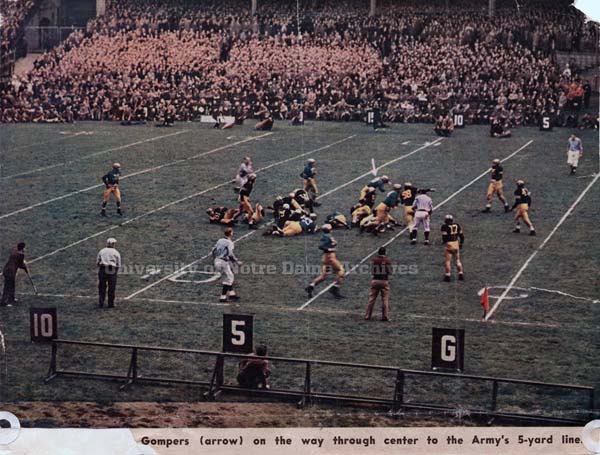
The Pumas, wearing blue jerseys with golden shoulders and golden helmets, faced the Colegio Militar, dressed in black and gold. Led by stars such as Alberto “Chivo” Córdova, Eduardo “Pocho” Herrera, and quarterback Omar Cardona, UNAM imposed its strength. Despite brief resistance from defenders like Guillermo Barragán and Héctor Córdova, the Aguiluchos could not contain the Pumas’ relentless attack. Roberto “Tapatío” Méndez’s squad triumphed 45–0 in the brand-new stadium.
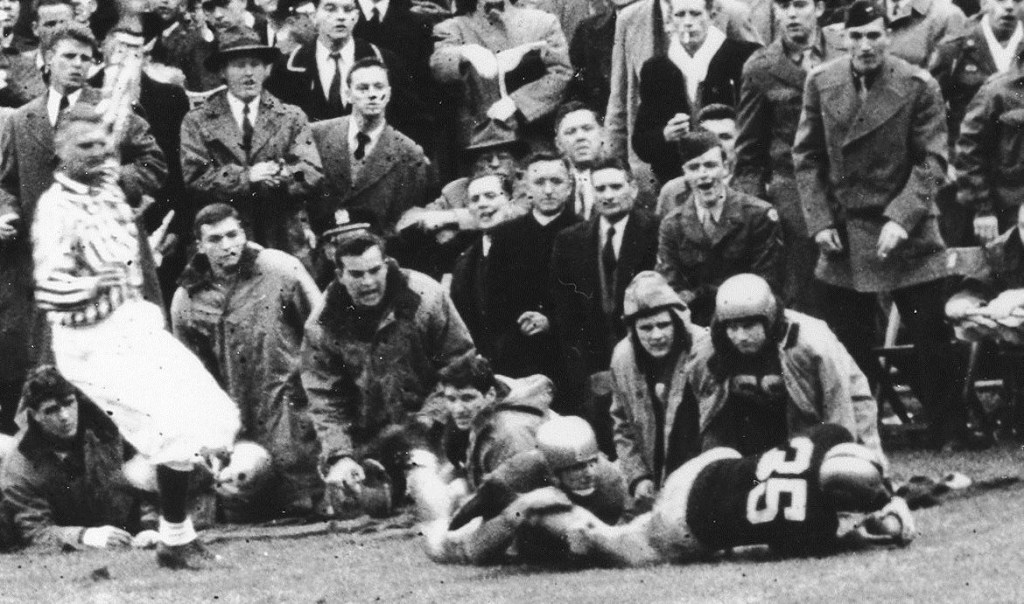
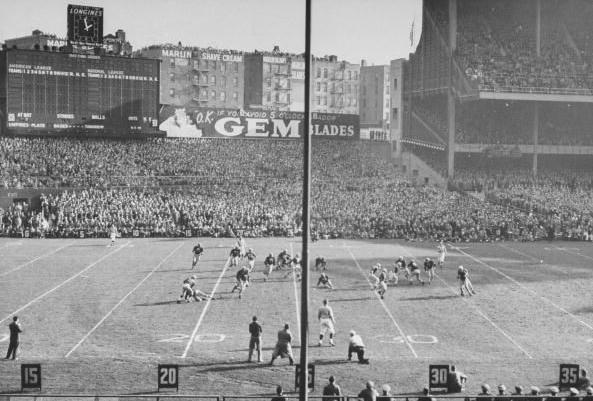
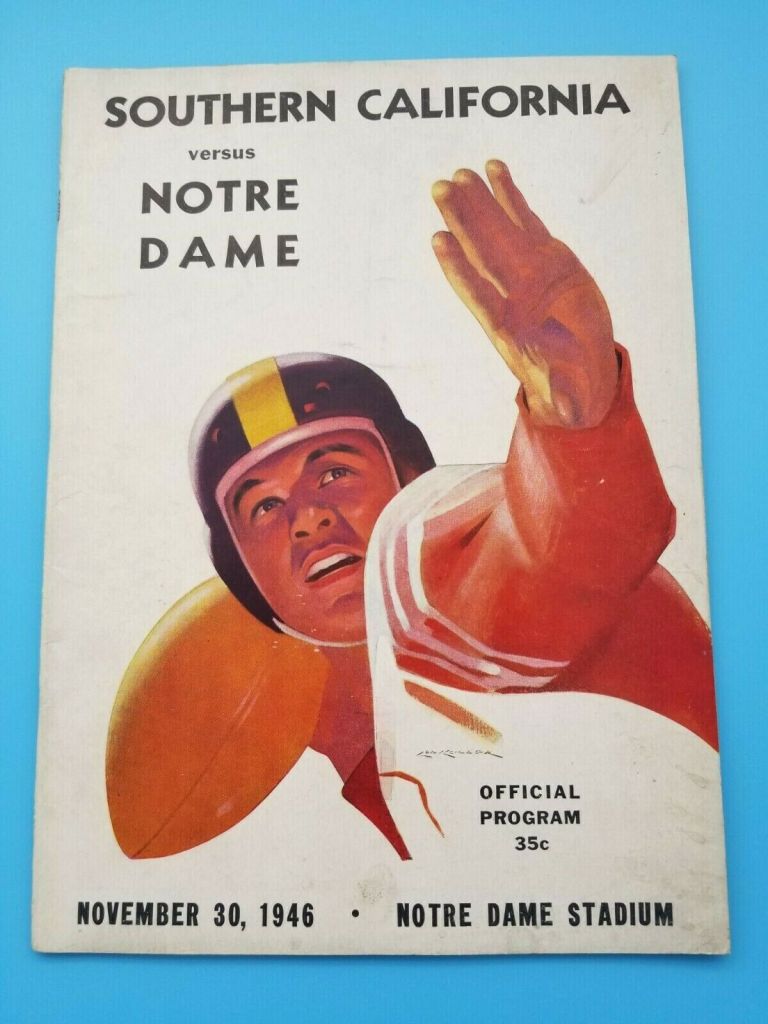
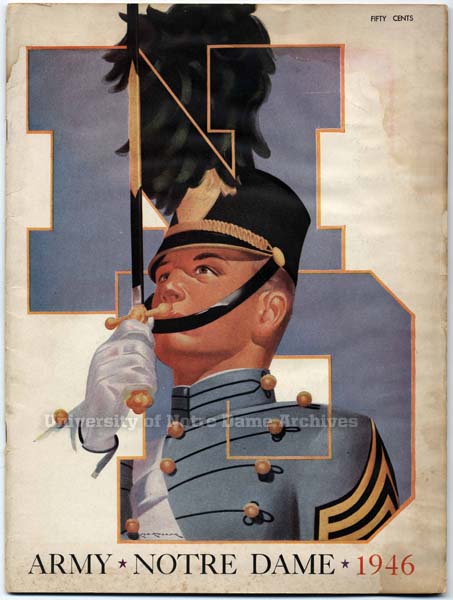
Back in the U.S., Notre Dame kept rolling: 40–6 over Purdue, 28–0 over No. 2 Navy, and 26–6 over No. 16 USC. Then came the “Game of the Century” on November 9 — No. 2 Notre Dame vs. No. 1 Army at Yankee Stadium before 74,121 fans.
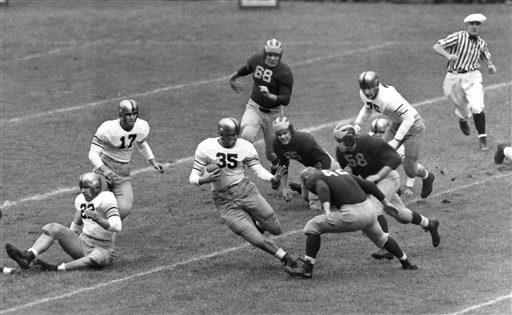
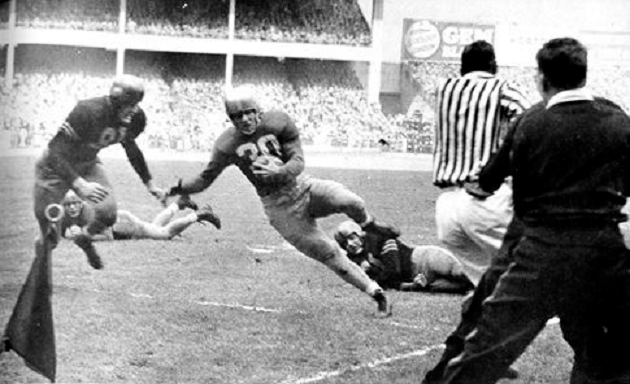
Army, the two-time defending national champion, had humiliated Notre Dame in 1944 (59–0) and 1945 (48–0). But in 1946, the Irish were armed with war veterans and determination. The clash was a defensive war, highlighted by Johnny Lujack’s open-field tackle on Heisman winner Felix “Doc” Blanchard. After 60 minutes of trench warfare, the scoreboard read 0–0. Notre Dame would later be crowned national champion by the Associated Press.
In Mexico, the Pumas capped their season with a 29–13 victory over IPN in the first “Clásico” played at the Ciudad de los Deportes Stadium, clinching their 12th national title.
Notre Dame finished undefeated at 8–0, cementing its dynasty. Between 1946 and 1949, the Irish went 36–0–2, winning three national titles and producing two Heisman winners.
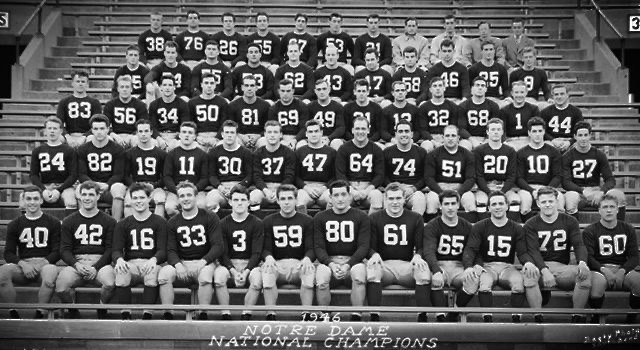
The connection between the Irish and the Pumas was made even stronger in 1947, when Mexico’s national team — led by Tapatío Méndez — defeated the Randolph Field Ramblers, a U.S. military squad featuring Doc Blanchard and Arnold Tucker, in the legendary Silver Bowl, 24–19.
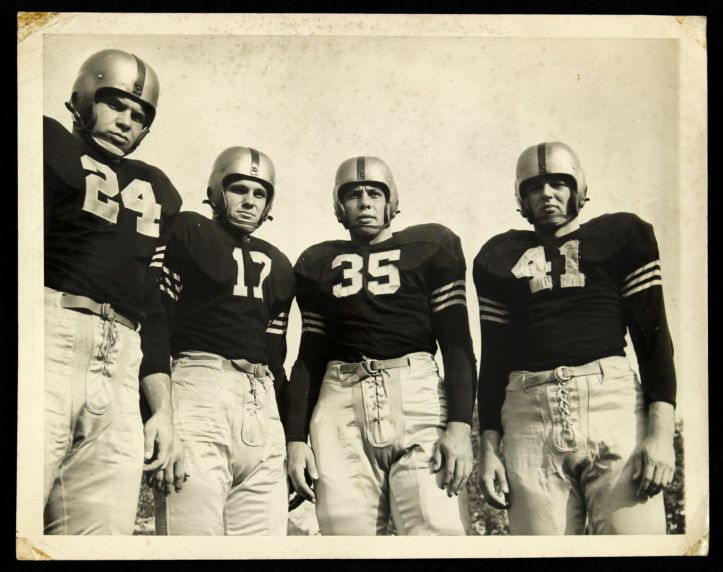
Hall of Fame Honorees from the 1946 Teams
Army:
Felix “Doc” Blanchard (1957) Glenn Davis (1961) Barney Poole (1974) Arnold Tucker (2008) Bill Yeoman (2001)
Notre Dame:
John Lujack (1960) George Connor (1963) Leon Hart (1973) Ziggy Czarobski (1977) Jim Martin (1995) Bill Fischer (1983)
Pumas (Mexico College Football Hall of Fame, 1988):
1940–1944: Omar Cardona, Austreberto Montaño 1945–1949: Enrique Begun, Alberto Córdova, Eduardo Herrera, Manuel Vázquez, Guillermo Castilleja
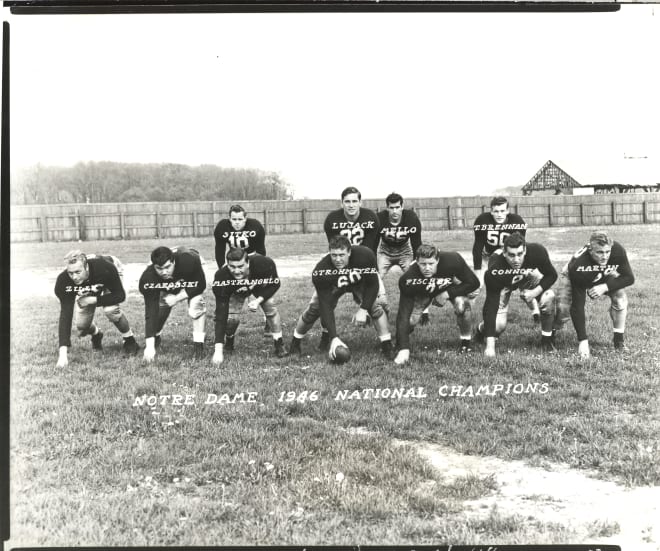
1946 will forever be remembered as the year when Notre Dame and the Pumas shared glory, each conquering their own gridirons, one in the Yankee Stadium of New York, the other in Mexico City’s Estadio de los Deportes.
Chronicle dedicated to Rodolfo “Chacho” Vázquez, former RB for the Condors (1994–1997) and Pumas CU (1998) and member player of the Notre Dame Fantasy Camp.
Follow Omar Ureña on Twitter: @omarurena_

